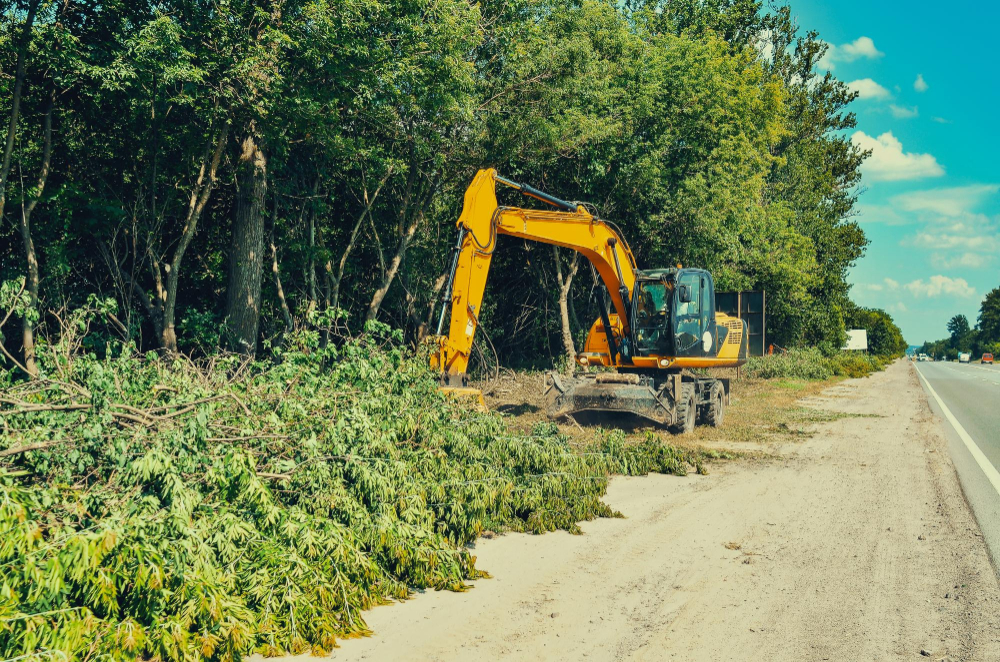
Florida’s natural beauty is the biggest selling point for any new development, but it's also the biggest hurdle before you break ground. Between the dunes, the scrub oaks, and the wetlands, the regulations here are strict. If you're a developer looking to start a project, you likely want to know if you can just start the dozers or if you need approval first.
The short answer is usually yes, you need permission. Following land clearing regulations is a critical first step in any commercial or residential site development project. Flagler Beach has specific ordinances designed to protect the local ecology, and ignoring them can lead to costly delays. We know you have tight deadlines to meet, and getting your paperwork in order early is the best way to keep your project moving.
Is a permit always necessary for clearing?
Yes, in almost every scenario involving development, the city requires a permit before you alter the landscape.
Why does this matter? It's not just about knocking down trees; it's about managing the environmental impact. The city classifies trees into different categories, and removing a "specimen" or "historic" tree without approval is a major violation. Furthermore, if your site is near the Intracoastal Waterway or contains wetlands, you're dealing with state-level restrictions in addition to local rules.
Before starting any land clearing in Flagler Beach, Florida, you must determine if your property falls within a protected zone. For developers, this often means securing a Tree Removal Permit or a Land Clearing Permit before a single piece of heavy equipment touches the soil.
What steps must I follow to stay compliant?
You generally need to move from a professional environmental survey to a formal application review by the building department.
The process is designed to ensure that the proposed clearing does not negatively impact drainage or destroy protected habitats. Here is what typically happens:
- Site Survey: You will need a surveyor to mark the trees and property lines. This helps the city see exactly what you plan to remove and what will stay.
- Application Submission: You submit your site plan, which includes your strategies for erosion control. This includes your plans for grading and drainage.
- Review and Inspection: City officials will review the plans and may visit the site to verify the survey.
- Approval: Once approved, you must post the permit clearly on the job site.
If you're working near sensitive areas, like the marshlands west of A1A, you might also need a plan for silt fencing to prevent runoff. This step is crucial because proper drainage planning prevents flooding complaints from neighbors later on.
What are the typical costs for these permits?
Permit fees generally start around a few hundred dollars but scale up based on acreage and environmental complexity.
While the base permit application fee might seem nominal, the associated costs are where developers need to budget carefully. For instance, if your site requires a detailed topographical survey or an environmental impact study due to gopher tortoise burrows or wetlands, your pre-construction costs will rise.
According to general industry standards for site preparation, a land survey alone can cost between $375 and $745 for a typical residential lot, with commercial acreage costing significantly more. Additionally, if you remove trees that were supposed to be protected, you may be required to pay into a tree mitigation fund. These costs are rarely just a flat fee; they are often calculated based on the caliper inches of the trees removed. Budgeting for land clearing in Flagler Beach, Florida means accounting for these administrative and mitigation costs upfront.
What are the risks of skipping the permit?
You face immediate Stop Work Orders and potentially hefty fines that can derail your project timeline.
In the development world, time is your most valuable asset. If a code enforcement officer drives down Moody Boulevard and sees unpermitted work, they can shut down your entire site. A Stop Work Order does not just mean you stop clearing; it often means you cannot do anything until the legal mess is sorted out.
This creates a bottleneck. You have crews waiting, equipment accruing rental fees, and investors asking questions. The fines can be substantial, often double or triple the cost of the original permit. It's much cheaper and faster to do it right the first time than to ask for forgiveness later.
Why choose Rogers Landworks for your site prep?
We handle the heavy lifting and the regulatory compliance so you can focus on the vertical build.
We're not just guys with bulldozers; We are site development partners. Rogers Landworks has been serving Central and North Florida since 2016. We understand the specific soil conditions of Volusia and Flagler counties. We know that land clearing in Flagler Beach, Florida, requires a delicate balance of efficiency and environmental responsibility.
Furthermore, we manage the erosion control, the grading, and the hauling. We ensure that when our trucks roll off your site, it's perfectly prepped for the next phase of construction. You don’t need to worry about silt fence failures or grading issues because we get it right from the start.
Next steps for your project
Getting your site cleared is the first visible step of your development, but the paperwork behind it is the foundation of your success. Do not let permit confusion stall your progress.
If you're ready to get your site ready for construction, let us help you navigate the process. Contact Rogers Landworks at (386) 334-4579 today for a free estimate.