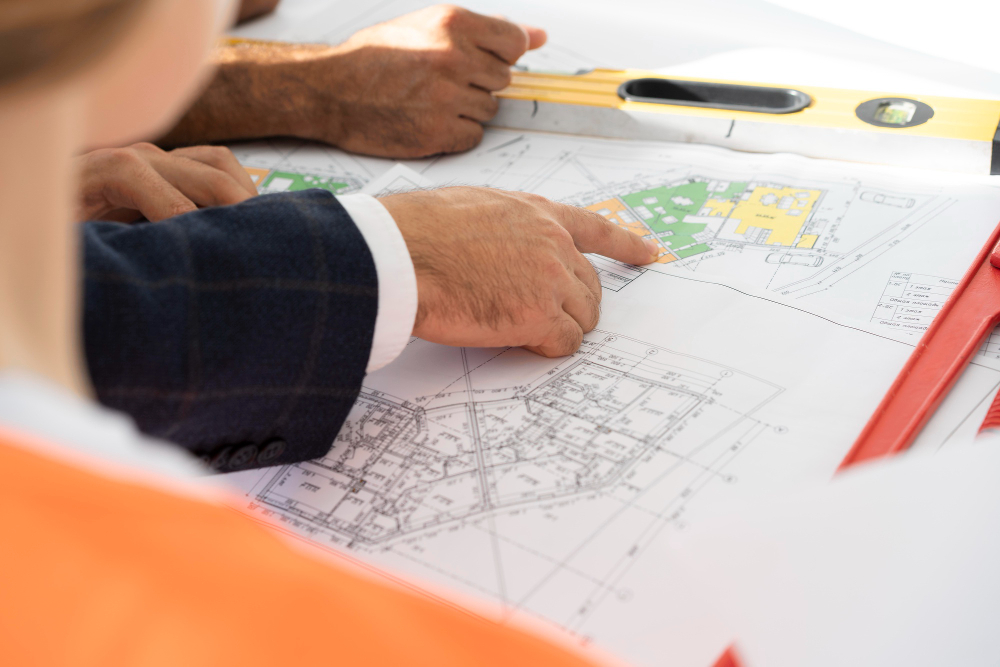
If you're planning a construction project in Flagler Beach or the surrounding Central Florida area, you can't just start moving dirt. You need a roadmap. A site development plan serves as that roadmap, detailing exactly how a property will change from raw land to a finished project. This document is critical for getting permits and ensuring your project stands up to our unique Florida weather.
What Is a Site Development Plan?
A site development plan is a set of detailed engineering drawings that show proposed improvements to a specific property. It covers every stage of the build, from the initial land clearing to the final paving and landscaping. This plan proves to the City of Flagler Beach and county officials that your project meets all zoning codes, drainage requirements, and environmental regulations before you break ground.
It includes much more than just where the building goes. A comprehensive plan details the footprint of structures, parking areas, utility connections, and stormwater management systems. In our experience working with development companies, a clear plan prevents costly delays during the permitting phase. It acts as the primary communication tool between the property owner, the engineers, and the construction team.
Key Elements of a Successful Plan
A functional site development plan must include specific components to pass regulatory review. While requirements vary slightly by municipality, most plans in Flagler County must show existing conditions, proposed topography, and utility infrastructure.
Detailed Site Layout: This shows the dimensions of the property and the location of all proposed structures. It identifies setbacks, buffer zones, and parking configurations.
Grading and Drainage: Because Florida is flat and prone to heavy rain, proper grading and drainage is perhaps the most critical part of the plan. This section details how water will move off the site and where it will be stored, usually in retention ponds or swales.
Erosion Control: You must show how you will prevent soil from washing away during construction. This often involves silt fences and specific construction entrances.
Landscaping and Vegetation: This outlines what trees and shrubs you will plant. It also identifies existing trees that must be protected during land clearing in Flagler Beach, Florida.
Why Site Development Plans Matter in Florida
Site development plans in Florida are vital because of our specific environmental challenges and strict regulations. You simply cannot build here the same way you build in other states. Between the sandy soil, high water table, and hurricane risks, the plan ensures the safety and longevity of the development.
Compliance with Environmental Regulations: Florida has strict rules regarding wetlands and protected species like the Gopher Tortoise. A site plan identifies these sensitive areas early. For instance, projects near the Intracoastal Waterway or along A1A face different scrutiny than those inland.
Stormwater Management: We see heavy afternoon thunderstorms almost daily in the summer. A good plan ensures that runoff from your parking lot doesn't flood the neighboring property or pollute local waterways.
Cost Efficiency: A detailed plan helps you estimate costs accurately. We've seen developers save thousands by balancing cut and fill—using soil excavated from a retention pond to raise the building pad—rather than trucking in expensive fill dirt.
How Much Does Site Development Cost?
The cost for site development planning and preparation varies based on the size and complexity of the land. Generally, you should budget between $5,000 and $15,000 for the civil engineering and design of the site plan itself for a commercial acre.
When it comes to the actual physical work, costs shift based on the density of the vegetation. According to data from Angi, land clearing costs can range from $1,300 to $5,400 per acre depending on how heavily wooded the lot is. In our area, if you're dealing with dense palmetto scrub common in Flagler, expect to be on the higher end of that range.
You also need to factor in permitting fees. In Flagler Beach, permit fees can add another 1-3% to your total project budget. These hard numbers highlight why getting accurate estimates for land clearing in Flagler Beach, Florida is a necessary step in your financial modeling.
Steps in the Planning Process
The process of creating and executing a site development plan typically takes 3 to 6 months from concept to permit approval. This timeline depends heavily on the complexity of the project and the current workload of the city's building department.
1. Initial Site Assessment: We start by walking the land. We look at the topography, existing vegetation, and access points. This is where we spot potential issues, like low-lying areas that hold water.
2. Conceptual Design: The engineer draws up a rough layout. This shows the building footprint and parking to see if the project fits the site's constraints.
3. Detailed Engineering: Once the concept is approved, the team creates the full construction drawings. This includes the specific calculations for stormwater runoff and utility loads.
4. Permitting: The plans are submitted to the city or county for review. This often involves a back-and-forth process where officials ask for clarifications or changes.
5. Construction: Once permits are issued, the physical work begins. This starts with land clearing in Flagler Beach, Florida and moves into grading and infrastructure installation.
Common Challenges in Flagler County
Development in Flagler County comes with specific hurdles that can trip up inexperienced developers. The most common issues we encounter involve water management and environmental protection.
Environmental Constraints: Many undeveloped lots in Flagler Beach, especially closer to Bulow Creek or the marshlands, contain wetlands. You cannot build on wetlands without mitigation, which is expensive and time-consuming.
Strict Zoning Codes: Local municipalities have strict rules on aesthetics and density. For example, projects near Scenic A1A often have additional landscaping requirements to maintain the area's visual appeal.
Community Feedback: In tight-knit communities like Flagler Beach, neighbors pay attention. If your plan creates traffic bottlenecks or drainage issues, you will face opposition during public hearings. Addressing these concerns in the initial design phase saves headaches later.
Soil Conditions: Florida's sandy soil drains well but can be unstable. We often have to amend the soil to create a stable base for foundations and roads.
Future Trends in Site Planning
Site planning is moving toward smarter, more sustainable designs. We are seeing a shift away from massive concrete retention ponds toward more natural solutions.
Low Impact Development (LID): This approach uses natural features to manage stormwater. Think rain gardens and permeable pavement instead of just pipes and ponds.
Technology Integration: Engineers now use 3D modeling and drone technology to survey sites with incredible accuracy. This helps us catch potential grade issues before a single bulldozer arrives on site.
Water Conservation: With Florida's growing population, water is precious. New plans often incorporate drought-tolerant landscaping (Xeriscaping) that requires less irrigation.
Getting Your Project Started Right
A solid site development plan is the foundation of any successful commercial or residential project in Florida. It navigates the complex web of local regulations while ensuring your investment is safe from environmental factors. If you try to cut corners on the plan, you usually end up paying double in construction fixes later.
Whether you're building a new retail strip or a residential subdivision, you need a team that understands the local landscape. We know what lies beneath the palmettos and how to get your site ready for vertical construction.
Need Help With Your Site Development?
Don't deal with the complexities of site planning alone. Contact Rogers Landworks at (386) 334-4579 today. We have the local experience to help you get your project off the ground efficiently and correctly.